Zones that design rules with builders attract the builders.
We work with zone authorities and regulators to build ecosystems for startups and new technology. We bring what we have learned across jurisdictions and help adapt it to local law, culture and capital.
Founders, capital and talent in one place
Programmes, partners and pipelines that bring startups to the zone and help them stay and grow.
Rules written with the people they govern
We sit with regulators to design sandboxes, licensing and governance that keep pace with the technology they cover.
What worked elsewhere, adapted to here
Lessons from other zones and jurisdictions, translated for local law, culture and stage of development.
Who funds what, sourced
We map the funds, sovereign vehicles and programmes active in a market, and publish the research in our fund ledger.
Innovation cultures need rules that can hold new technology.
Each of these needs its own rules on licensing, liability, data and infrastructure. We help zones decide which to lead with and how to regulate it.
- Blockchain and digital assets
- Artificial intelligence
- Internet of things
- Robotics
- Smart cities
- Advanced manufacturing
Gelephu Mindfulness City.
Bhutan's special administrative region in Gelephu, on the southern border with Assam, India. His Majesty The King announced it in December 2023. It has its own legal and regulatory framework, built to attract investment while keeping Bhutan's commitment to sustainability and wellbeing.
It is one of the few places where a zone is being designed from first principles, in a country with almost no private equity layer.
- Capital landscape
- We mapped Bhutan's capital landscape, from the sovereign fund and pension to conservation trusts, accelerators and the GMC vehicles themselves. 17 entries in the ledger.

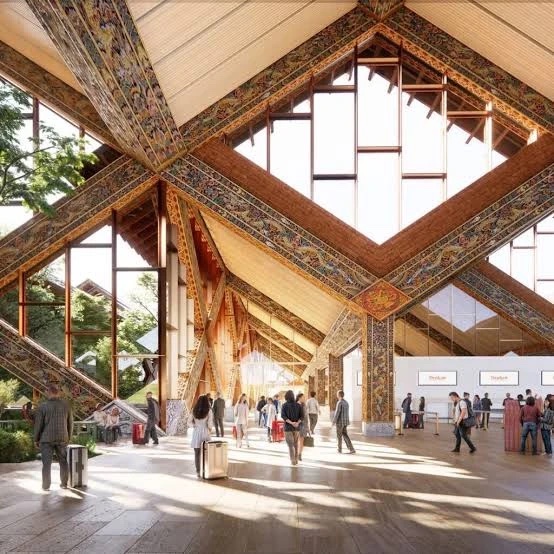

Design renderings for Gelephu Mindfulness City.
Early-stage capital is mostly public.
Startup Launchpad, Jabchor, the Loden Foundation and the CSI Bank make up most of the pipeline. Private funds are rare.
GMC is raising through several channels.
A Four-Plus-One model: internal capital, bonds, equity and loans, and multilateral funding, plus a Founding Members programme.
The national VC fund is announced, not closed.
A $100M vehicle, split between government and a fund manager, is still waiting on a signed partner.
Map the landscape.
Capital, regulation, talent and existing programmes, written up as sourced research.
Choose the bets.
Which sectors and technologies the zone can lead in, and which rules each one needs.
Co-design with regulators.
Sandboxes, licensing and governance, drafted with the authority and tested with founders.
Build the ecosystem.
Programmes, partners and capital to bring the first companies in, and the feedback loop to keep improving the rules.
Building a zone, or reforming one?
We share what we have learned across jurisdictions. A short call is enough to start.